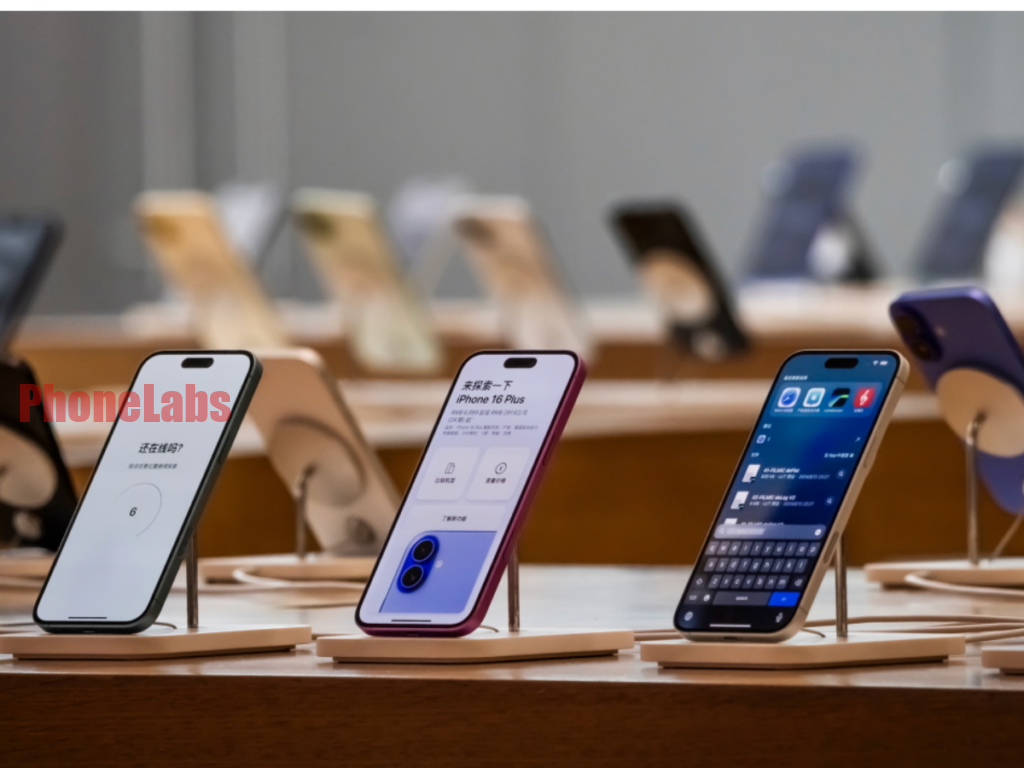

Global smartphone shipments are projected to decline by a significant 15% in 2026, a downturn primarily fueled by soaring memory prices. This escalation is a direct consequence of robust demand for components driven by artificial intelligence (AI) technology, pushing up device costs. According to research firm CCS Insight, this trend is severely impacting affordability, with some entry-level phones experiencing price hikes exceeding 50% since last year. The primary smartphone market already shrank by 4.4% in the first quarter of 2026, signaling further contractions are likely throughout the year.
Conversely, the used phone market is expected to thrive, with a projected 15% growth. Consumers are increasingly opting for pre-owned devices as a more budget-friendly alternative to increasingly expensive new models.
The AI Effect: Why Smartphone Prices Are Skyrocketing
The core of the problem lies in the unprecedented demand for memory components by AI infrastructure development. Chipmakers are strategically shifting focus towards producing high-margin memory for AI servers, diverting capacity from standard DRAM and NAND used in consumer devices. This situation differs from typical market cycles driven by supply shortages; instead, it’s a demand-driven pressure where hyperscalers are absorbing critical production capacity.
This pricing pressure has intensified throughout 2026. Initial forecasts in January projected handset price increases of 6-8% and a 5.2% market contraction. By February, these had risen to roughly 14% price increases and 8% shipment declines. CCS Insight’s June projection solidified a 15% total shipment decline for the year.
Ben Hatton, a CCS Insight analyst, underscores the severity: “The memory chip crisis shows no sign of slowing down any time soon. It is increasing pressure on both manufacturers and consumers.” He notes memory components now comprise over 30% of the bill of materials in some smartphones. Budget devices are hit hardest, as memory and storage represent a larger proportion of their overall cost, offering less flexibility to absorb increases without substantial price hikes.
For buyers, expect noticeably higher prices, especially for budget models. Consider purchasing earlier in the year or exploring certified refurbished/pre-owned devices. Holding onto your current phone longer or looking at mid-range/older flagship models could offer better value. This ‘memory supercycle’ is expected to continue through at least 2028, suggesting no immediate relief in prices for smartphones, PCs, and other memory-dependent devices.
Key Smartphone Market Trends & Forecast Evolution (2026)
| Forecast Period | Handset Price Increase | Market Shipments Decline |
|---|---|---|
| January 2026 | 6% to 8% | 5.2% |
| February 2026 | ~14% | ~8% |
| June 2026 (Current) | Significant (details vary by model) | 15% |